

Which Country Has The Most Registered Nurses
Countries in Need of Nurses
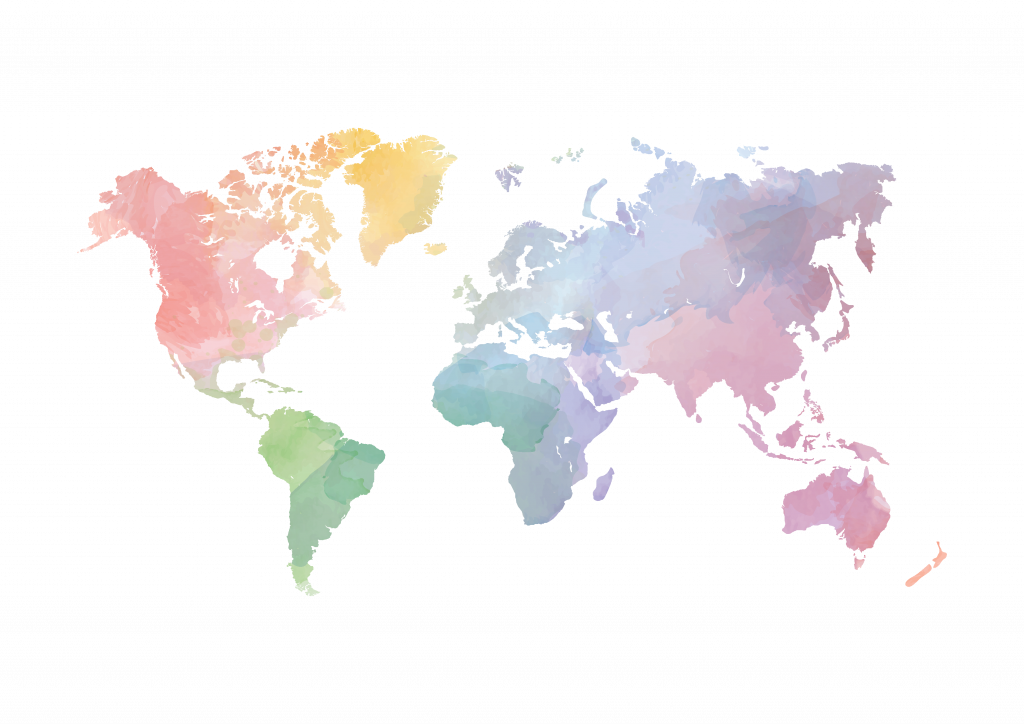
The 30 countries most in demand of nurses lack the resources to employ the number of nurses they need simply also to brainwash them. One of the greatest dangers facing worldwide public health is the global nursing shortage that faces not only the Third Earth only many major world powers also. Nurses are the first line of defense against widespread epidemics, and equally the people who treat patients straight and daily, they are the nigh cardinal components of whatever health care organization. Throughout the earth, the World Wellness Organization is monitoring nations where at that place are non enough nurses, and sponsoring programs to recruit and educate nurses who can work to improve quality of life through basic healthcare.
Solving the Global Nursing Shortage
Professional nurses are taught to pay attention to details, but at the same time not lose sight of the big picture. Nursing shortages are often only part of social and cultural struggle worldwide, related to poverty, political instability, repressive regimes, religious intolerance, and racism. Equally engineering, science, social media, and world travel transform our world into an e'er-smaller global village, witting awareness of the day-to-day reality in unstable nations is crucial for global understanding at both a human and professional level.
In the Usa, nosotros tend to think of nursing education equally an opportunity for personal betterment, professionally and financially, but nursing education has a much wider bear upon. The choice of specialization, for instance, is not just a affair of personal preference; it tin can be part of meeting a worldwide need. Some of the most crucial areas of specialty needed in the rest of the world are:
- Pediatric Nurses
- Nurse Midwives
- Rural Wellness Nurses
- Public Health Nurses
Fifty-fifty if you are not planning to dedicate your life to preserving wellness in some distant nation, in that location is much that you can do equally a working nurse or nursing student. Every BSN program requires clinicals and nursing internships, and many programs include the opportunity to written report abroad to run into those requirements. There are too numerous nursing scholarships that include global service.
Ranking Methodology
Countries are ordered from the highest shortage to the least. Finding statistics for a mutual year is a challenge, as is the reporting for nurses independently of other wellness workers, so sources for statistics may vary in their numbers. Considering less developed countries have less recent information available, in club for commonality in reporting fourth dimension to be relevant, the nearly recent WHO data is used regardless of year.
Although those statistics in numbers may not reflect electric current reality, the trends are all the same valid. Countries reporting more 23 health workers (doctors, midwives, and nurses) per x,000 population are not listed. World Wellness Organization (WHO) considers that ratio is the minimal number required to provide 80% coverage of basic wellness needs. The absence of any country on the list does non imply that they accept obtained minimal coverage. As a point of comparison, even with most 100 nurses per 10,000 population, the United states of america continues to report a nursing shortage.
Statistics for Nurse/Population ratio come up from the WHO Global Wellness Observatory Data Repository.
1. Republic of haiti
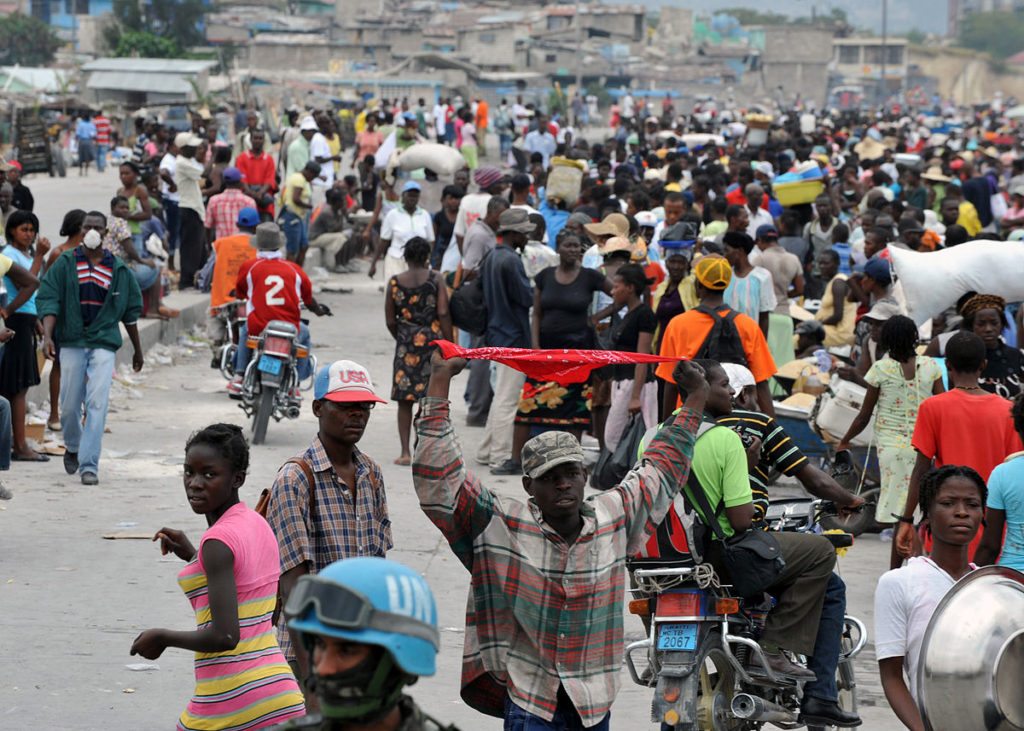
Equally i of the poorest countries in the globe, Haiti is too i of the near in need of professional nurses. Statistically Haiti has barely i percent of the nurses per population that the United States does. With a long history of internal political instability, likewise every bit outside intervention, a prime location for natural disasters, peculiarly hurricanes and earthquakes, a loftier population density lacking public health provision, and a lack of local manufacture, Republic of haiti has not been able to provide advanced educational activity for almost of its citizens. Particularly since the devastating 2010 earthquake – which killed more than 200,000 people, including a full quarter of the nation's ceremonious servants – Haiti has struggled to regain even its previous level of quality of life.
Hurricane Matthew, in 2016, seemed prepare to stop what the 2010 earthquake started, including setting off a crippling cholera epidemic. Infrastructure for basic utilities, including electricity, beverage water, and germ-free waste matter disposal is not available to most of the population. Communicable diseases from both food and water contagion are mutual. Numerous international help organizations are options for short term nurses. French language facility and openness to learning Creole, the trade language, provides options for teaching and teaching in both formal and informal settings, but poverty oft blocks the door to improved health fifty-fifty with sensation of better options.
Nurses Per 1000: 0.011
2. Chile
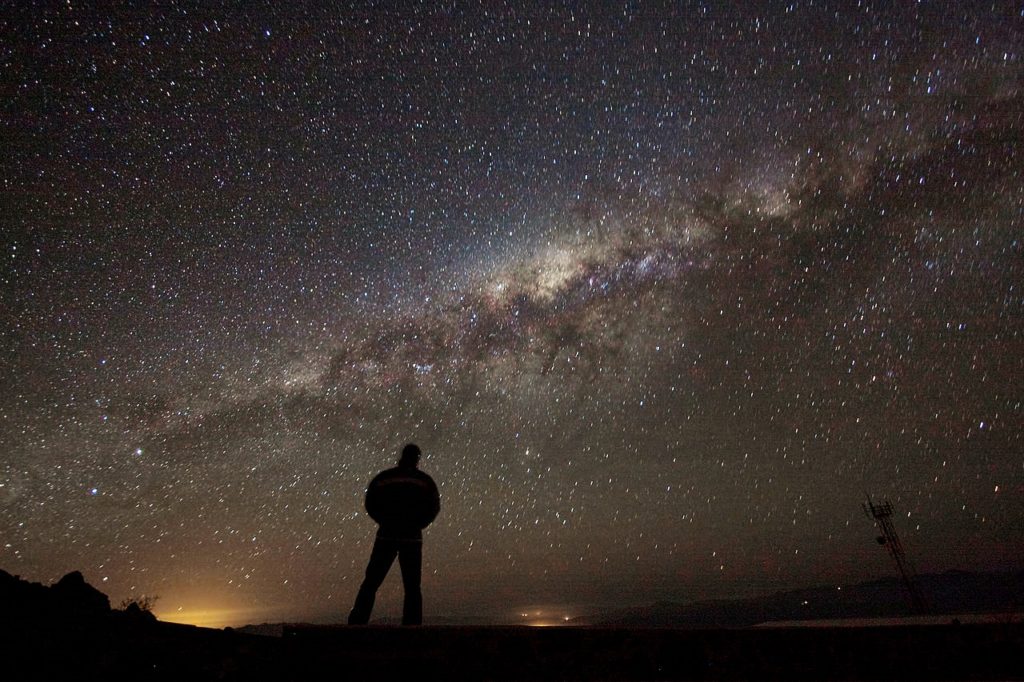
Located on the western side of the southern cone of South America, Republic of chile has more economical and political potential than nearly any other nation on the continent. Chile has deep natural harbors which facilitate international trade, and because it is 6 months ahead, or behind, of the northern hemisphere, Chile tin can provide "in flavor" produce when it is least available and virtually expensive in the north. The northern desert region is one of the driest places in the world, and considering of its altitude is a marvelous place for infinite exploration via state-based instruments.The varied geography, flora and creature, topography, including long coastlines and incredible mountains, make Chile a marvelous place for tourists. The region is also rich in mineral wealth. Political unrest lasted almost xxx years from virtually 1960 until 1990, but since then Chile has been stable and prosperous.
With its economic prosperity in the last 30 years, Chile has benefits internally by making infrastructure a priority for its citizens.Public health is a priority and is funded via payroll deduction of 7%. Education is valued and is an pick for all ages. There are both private and public universities available for students who seek a higher education. However, as recently as a decade and a one-half ago, the nurse/population ratio was a mere one-fourth of the WHO recommendation. Ironically, the disparity is caused in part considering Chile'south strong educational opportunities hateful that wellness intendance professionals accept been lured away to careers with even higher incomes. Therefore, even though nearly one-half of Chileans consider health care the nation's tiptop priority, in that location are important disparities in access.
Nurses Per 1000: 0.145
3. Republic of madagascar
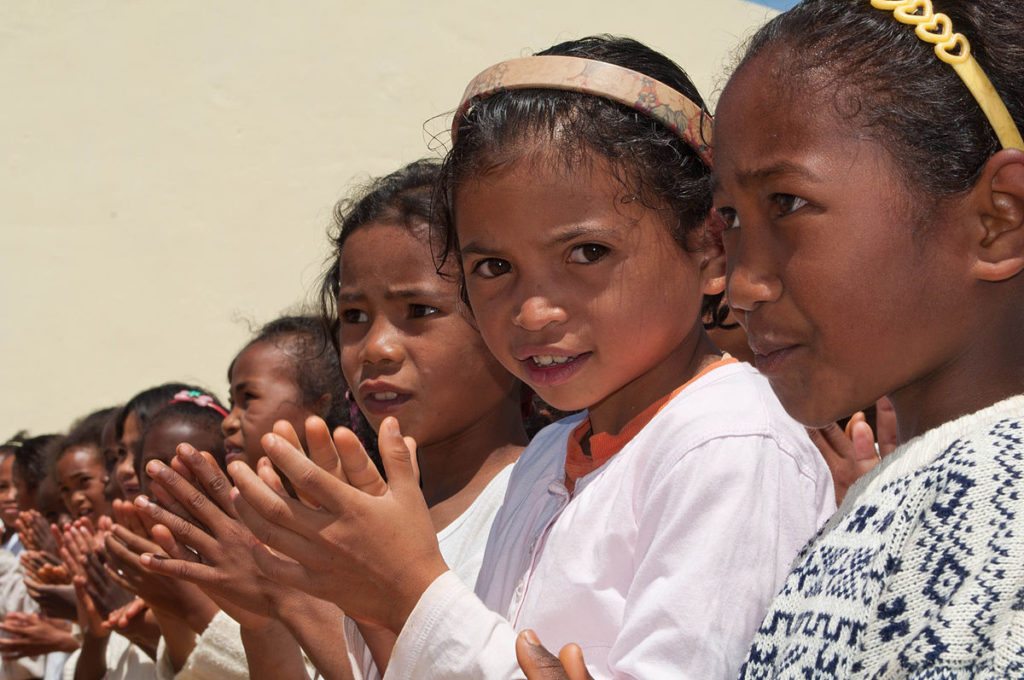
Madagascar, once known as the Malagasy Republic, is an island nation off the east coast of Africa. Beginning with settlers from Kalimantan some 500 years BCE, Madagascar has a rich cultural heritage. It was non united as one kingdom until the early 1800s. Nearly a century later, French colonialism reigned for well over one-half a century. Madagascar did not become independent until 1960. Since then both constitutional elected leaders and interim armed services appointees accept led the country; at to the lowest degree ane experienced a war machine coup. Early in 2014 a reportedly fair ballot returned a ramble government to power.
The express infrastructure is a challenge to expansion and evolution and limits advancement of health care and teaching.Nearly all of Madagascar'southward 22,000,000 people live on less than $two.00 (US) per mean solar day. Health care is very limited, simply has improved with the use of childhood immunizations; still, access to care is yet inadequate. While Christianity is identified as the faith of choice for nearly half of the population, traditional behavior and practices even so very common. In the vast majority, the people of Republic of madagascar proceed to trust in folk medicine over modern scientific discipline. In response, organizations like the WHO are working with traditional healers to expand healthcare in rural regions. The ratio of nurses/population is similar to that of Costa Rica, merely with a various population, and no central focus on wellness, many persons practice non have basic healthcare provision.
Nurses Per grand: 0.218
iv. Ethiopia
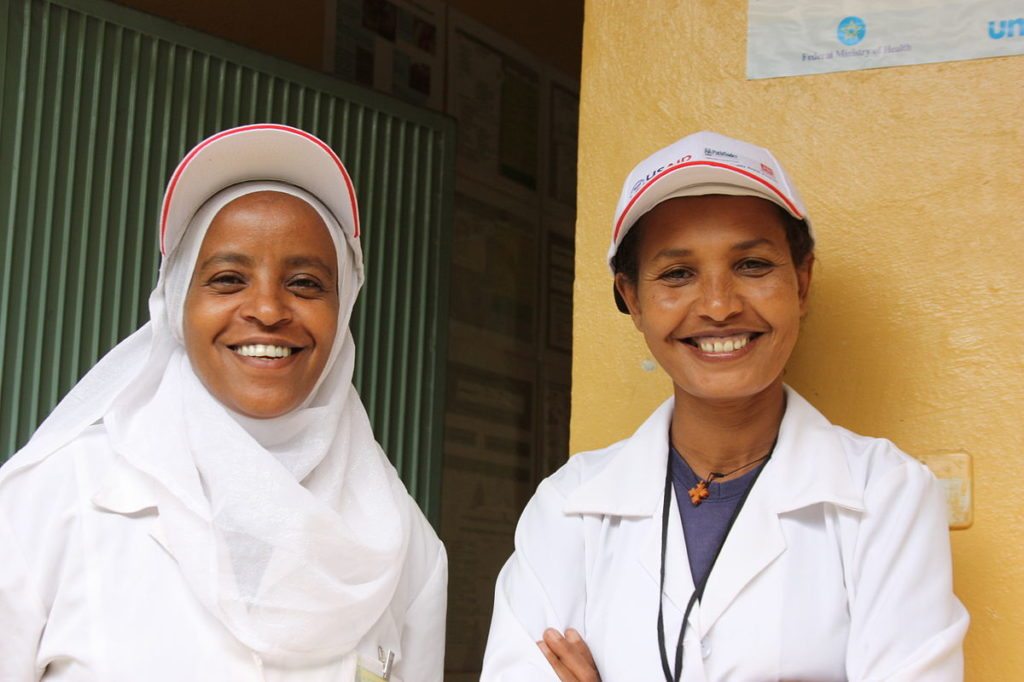
Located in the so called horn of northeast Africa, Ethiopia has the highest population of any landlocked country in the world. It has the second highest population of all the countries in Africa. Both human being history, with testify of the earliest known presence of Homo sapiens, and a monarchical regime dating back well-nigh 4000 years, make Ethiopia a treasure chest for history lovers. Unlike other African countries, Federal democratic republic of ethiopia was never conquered by whatever European powers and has maintained its status every bit an independent nation. Dozens of ethnic groups make it a multilingual nation with an equally rich multifariousness of cultural and religious realities. Historically minority religions held to practices that raised concerns about human rights such as marriage by abduction.
The reported ratio of doctors per full population is extremely low even if one uses the highest reported number (2.6/100,000 population). Improper sanitation and contaminated water supplies make for a very loftier infant bloodshed rate, and high incidence of communicable disease. The nurse/population ratio is reportedly more critical than that of doctors, with about ii.5/ten,000 population reported in 2007. Geographical variations brand for a varied climate which can exist a small measure out of comfort for international nurses looking to contribute to the well-being of others. Because English is the language of educational activity in secondary schools, English language is widely spoken and understood, and that fact also makes it easier for foreign nurses to provide both nursing care and education for a better tomorrow for the persons and organizations they may serve.
Nurses Per 1000: 0.25
5. Key African Democracy
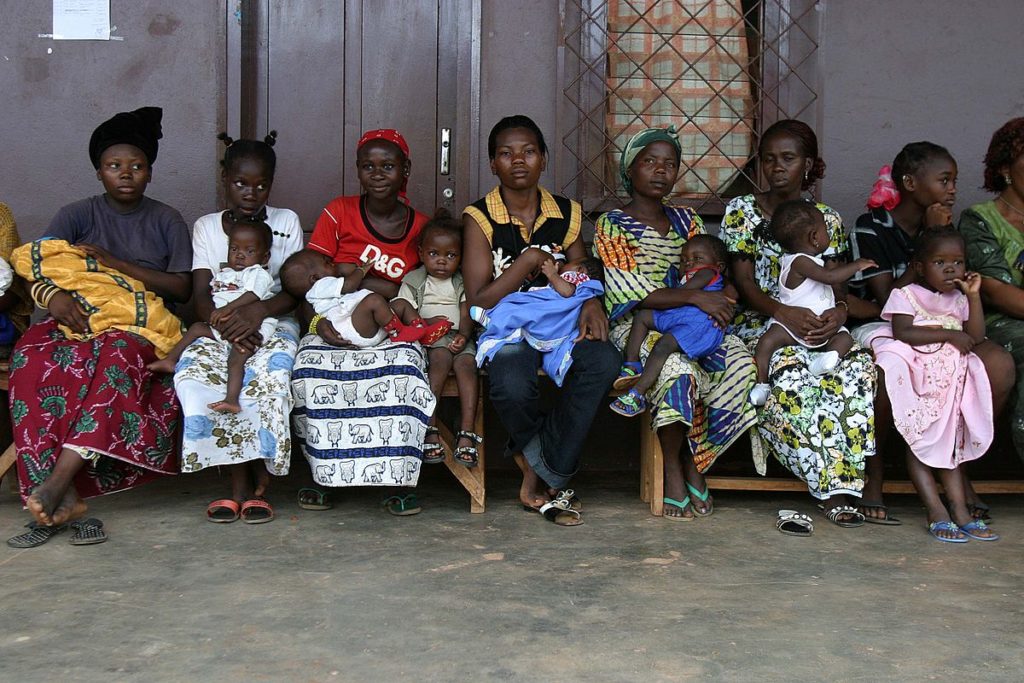
The Key African Republic is located in the heart of Africa, far from whatsoever oceans. With a population of most iv,500,000, information technology is less densely populated than some of the other surrounding countries. Although inhabited for thousands of years, it was ruled as a French colony from the mid-1800s until 1960. In spite of arable mineral wealth, including diamonds, golden, and uranium, equally well as renewable resource in tillable land and hydroelectric ability, the Central African Republic is among the 10 poorest countries in the world. Although now contained for over 50 years, the Central African Democracy continues to be very unstable politically. Numerous governments have been overthrown violently; state of war and hostilities between parties and ethnic groups have been frequent. Geographically the land is either flat or rolling and parts are covered with forest. Both a dry and a rainy season provide seasonal variation, simply generally the climate is tropical.
Wellness provision is very express; and the ratio of nurses/population has actually decreased in the past ten years. However, because over lxxx% of the population identifies every bit Christian, in that location are numerous missions working in Central African Commonwealth which may provide opportunities for nurses who have a working knowledge of French. As in other poor countries, the infrastructure does not readily let communication or access throughout the land. Although education is officially required for elementary schoolhouse age children, the illiteracy rate is about l%. The virtually recent figures report about 2 nurses/10,000 population, but just 1 doctor/20,000 population. If one is able to confront the reality of conflict and too face the dire need in any one country, Central African Republic is one such place to make a deviation.
Nurses Per one thousand: 0.252
vi. People's republic of bangladesh
Just decades ago, Bangladesh as a country with incredible human suffering. Adjoining Bharat on its due west, Bangladesh was formed as a separate country from India in 1947. Political unrest and a series of military coups led to the breakup of basic services; and famine and poverty become wide spread. George Harrison'due south 1971 Concert for Bangladesh, the first benefit concert, brought global awareness to Bangladesh'south problems. Since becoming a democracy in the early 1990's, Bangladesh has stabilized significantly, although equally ane of the most densely populated countries in the world it notwithstanding faces major challenges. With a growing economy based on exports of wear and textiles, also as sea food, agricultural products, and science and technology, Bangladesh has greater hope for the future than just a few years ago.
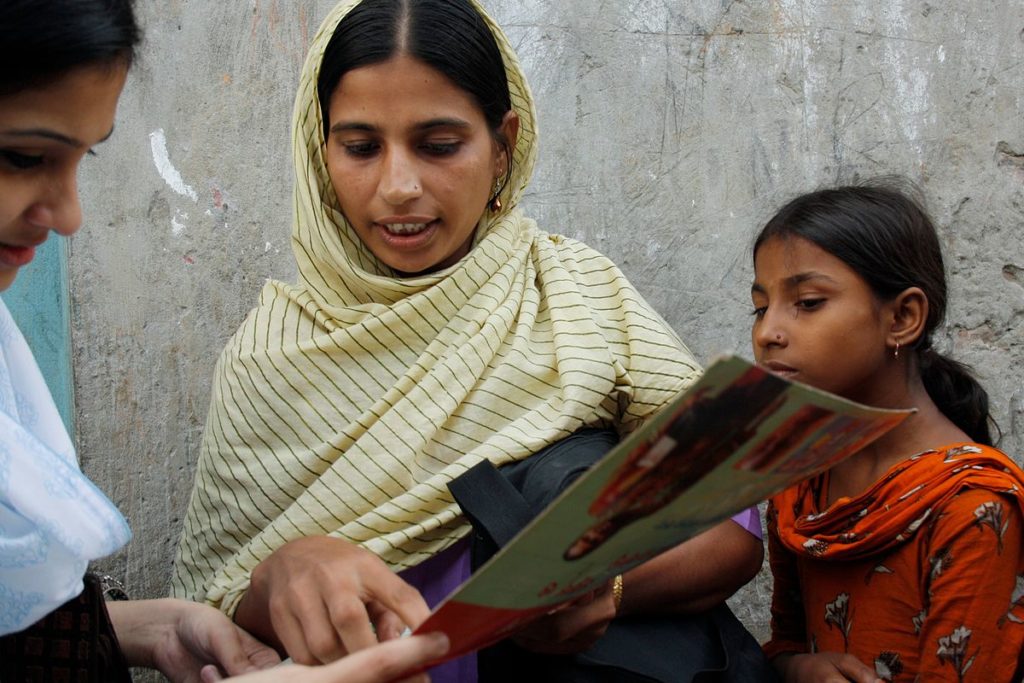
Despite Bangladesh's encouraging rebound, wellness intendance provision is a depression priority, and reportedly large numbers of persons trained as medical providers actually know very little most health care. Education is funded largely by the authorities, which lacks the funding and support for proper pedagogy; virtually 40 of the population is illiterate. The state of health of many Bengals is precarious, in large part due to the minimal attending paid to the provision of health care generally. The nurse/population ratio continues very low and is far from the minimal requirement as per WHO. Supportive care, as provided by community wellness workers, see photograph above, and nurses are very much in short supply.
Nurses Per grand: 0.267
7. Sierra Leone
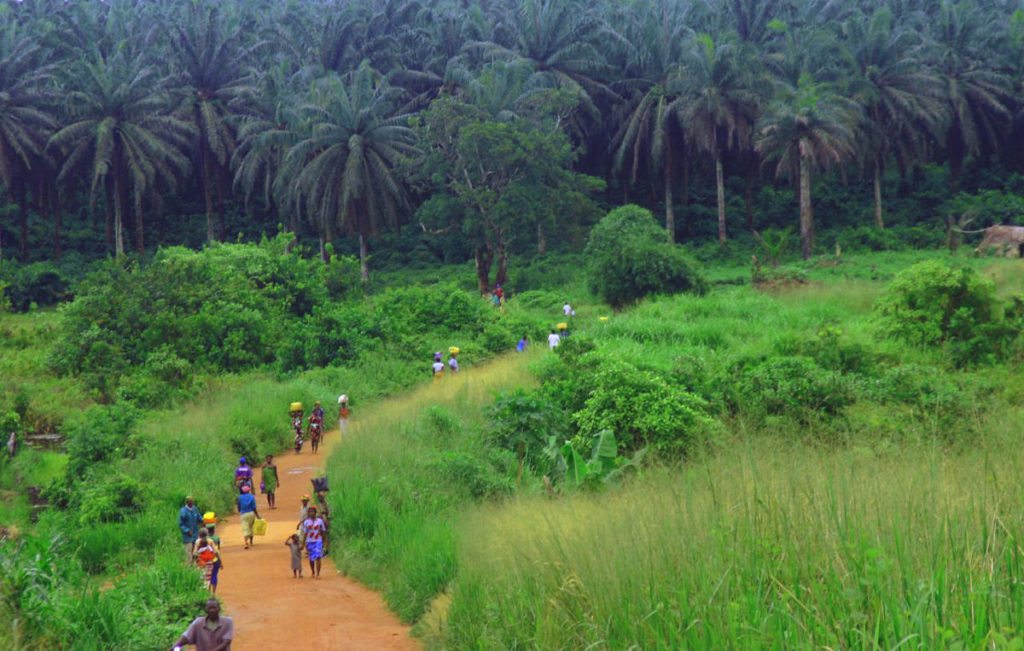
Sierra Leone reached popular prominence in the US around the plough of the century, when its fell civil war became international news. Because of its extensive natural resources – especially diamonds – Britain fabricated Sierra Leone 1 of its colonies in mid 1700s, and the nation did non grant independence until nigh 1961. Political unrest and an 11-year long civil war against dictator Joseph Momoh further impeded development. The mercenary government of Charles Taylor, who overthrew Momoh, continued with atrocities and crimes confronting humanity. Mining is an important part of the economy, simply the wealth generated past diamonds and other minerals is not distributed throughout the population; consequently about 70% of the population of 6,000,000 lives in poverty.
Along with several other West African countries with a coast line on the Atlantic Body of water, Sierra Leone suffers from significant health disparities. The nurse/population ratio has decreased in recent years and is currently less than one eighth of the minimal suggested by the World Health Organization. Although education is obligatory at the master level, the lack of infrastructure makes enforcement very hard. During the civil war big numbers of schools were destroyed, just there are three universities in Sierra Leone. As English language is the official language, and the language of teaching, nurses are being recruited for jobs in the western English language speaking countries. While perhaps boosting the local economic system by sending dwelling house dollars earned away, those absentee recruited nurses lead to the decimation of local health care provision. As might be expected from the severe nursing shortage, infant mortality is among the highest in the world. Communicable diseases abound, including HIV/AIDS and the Ebola virus. Potable water is limited. Sierra Leone is without a doubt a place where professional nurses can make a difference.
Nurses Per 1000: 0.319
8. Tanzania
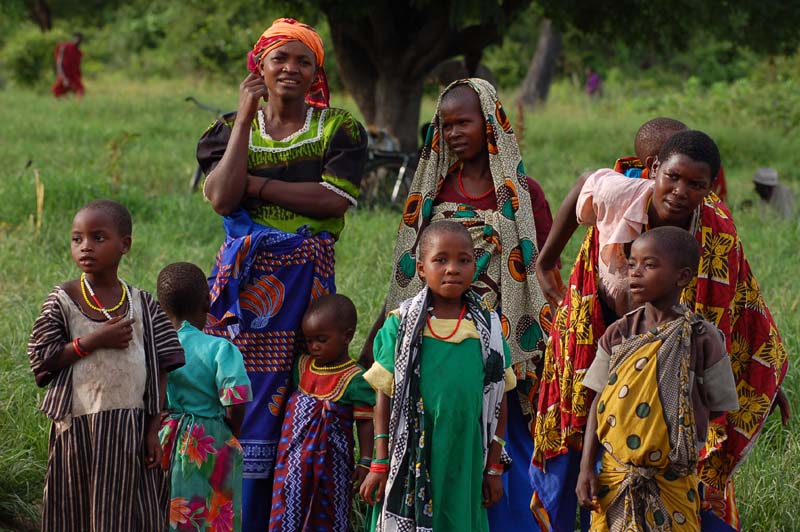
Tanzania in eastern Africa faces the Indian Bounding main. Together with the isle of Zanzibar, off the e declension of Africa, they grade the United Commonwealth of Tanzania, their official proper noun. Mount Kilimanjaro, Africa'due south highest mountain, is located in Tanzania, and although geographically in the tropics, Kilimanjaro is always snow-covered. European countries, including Portugal, Germany, and Britain, ruled the region since the early 1600s; Tanzania finally gained its independence from United kingdom in 1960. The first multiple party elections were held in 1995. Economically, Tanzania is a poor country on par with its neighbors, and bases its economy on agriculture. To a lesser degree industry, tourism, and mining also contribute. Over one-half of Tanzanians profess to be Christians, and almost i tertiary say they are Islamic in their organized religion. Linguistically Tanzania is very diverse with over 100 languages represented, but communication is facilitated as both English and Swahili are official languages.
Health care faces some serious barriers, both politically and economically. Infrastructure is still very limited; just one of five Tanzanians had access to electricity equally recently as 2008. Although the population is nearly 45,000,000, nearly one half of those persons are under 15 years of age, contributing to a significant shortage of healthcare for children.The availability of potable water is limited to about half of the population, and even less have germ-free waste material disposal. Communicable diseases, including HIV/AIDS are still likewise common. Fortunately, main education is obligatory, and about 3 fourths of Tanzanians are literate, giving international observers hope for future developments. Health care workers, including nurses, are very much in short supply, but opportunities for international nurses are readily bachelor.
Nurses Per 1000: 0.416
9. Ivory Declension
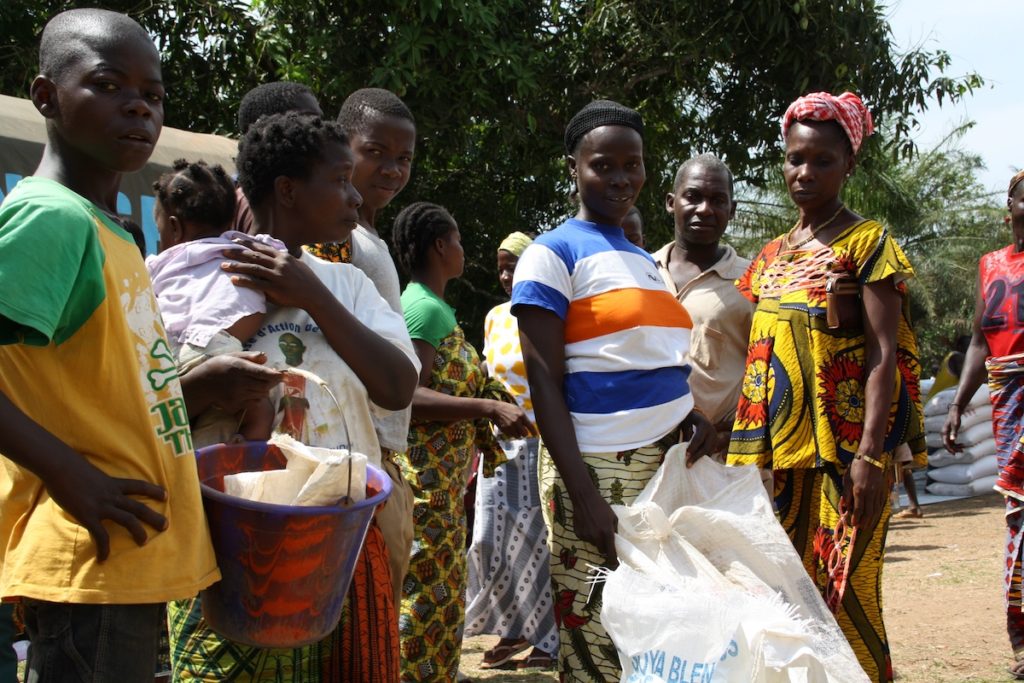
Although relatively small compared to the larger nations in Africa, Ivory Declension has a population of over twenty million inhabitants. It is located on the southern coast of the "hump" extending toward the westward. Sometimes known by its French name of Côte d'Ivoire, for its terminal colonial power, Cote d'ivoire has been exploited for its natural resources for centuries, from the trading of precious metals and slaves past the Roman Empire, to Islamic influence and domination through the Middle Ages, to French conquest ending in 1960. Political instability followed independence, and unified leadership was non clearly defined until early on this century. Politically power continues to reside primarily in the executive branch with French as a language that unifies the multiple language groups represented.
Health intendance varies widely in the Ivory Coast due to large disparities in wealth. Cote d'ivoire is populated by several ethnic groups, the largest of which comprises nigh half of the population. Income is based largely on farm production, especially cocoa beans and rubber, just Ivory Coast has a college per capita income than most of its neighbors. Illiteracy is high, and even more and then among women, equally boys are much more apt to be schooled. With a multimillion population, there are only two universities in Ivory Coast. A decade ago life expectancy for both men and women was less than fifty years; the Infant mortality is likewise very high. Physicians number about one tenths of the number of nurses. The ratio of 6/10,000 has increased slightly in the past years, although the actual number has decreased, again probably due to migration for improved financial benefits in more than developed countries.
Nurses Per 1000: 0.479
10. Uganda
Uganda borders on several of the countries noted before in this ranking. Like some of its neighbors, Uganda was also ruled as a British colony from the middle 1800s until the early on 1960s. Ane legacy of colonial rule is the official use of English, although Swahili is also an official language. Severe political unrest was followed with military machine coups to identify persons in power and attempts were made to maintain power through massive genocide; the most infamous was Idi Amin. Political discord continues, and at that place is broad-spread corruption. In an endeavor to maintain power both internal and external investment is very controlled. Natural beauty abounds, only severe human rights violations and rigid controls limit tourism and interest from abroad. Although the economy, based on agriculture and other exports, seems to be improving, poverty has not decreased for the population at big, and is a grim reality for millions.
Uganda'due south wellness intendance system has severe inequalities, mirroring the inequalities in the social club at large. Life expectancy is just over fifty years; babe mortality is high. Only one of three Ugandans are literate fifty-fifty though, in theory, education is obligatory and attempts to follow a British standard. However, costs that must be absorbed by parents brand education a luxury for many. Unfortunately, the only public wellness concern showing significant improvement is the HIV/AIDS infection charge per unit which has dropped significantly in the past 3 decades. Health care is still not an option for many rural Ugandans, and the nurse/population ration is less than a tertiary of the WHO minimal suggestion.
Nurses Per yard: 0.648
xi. Costa rica
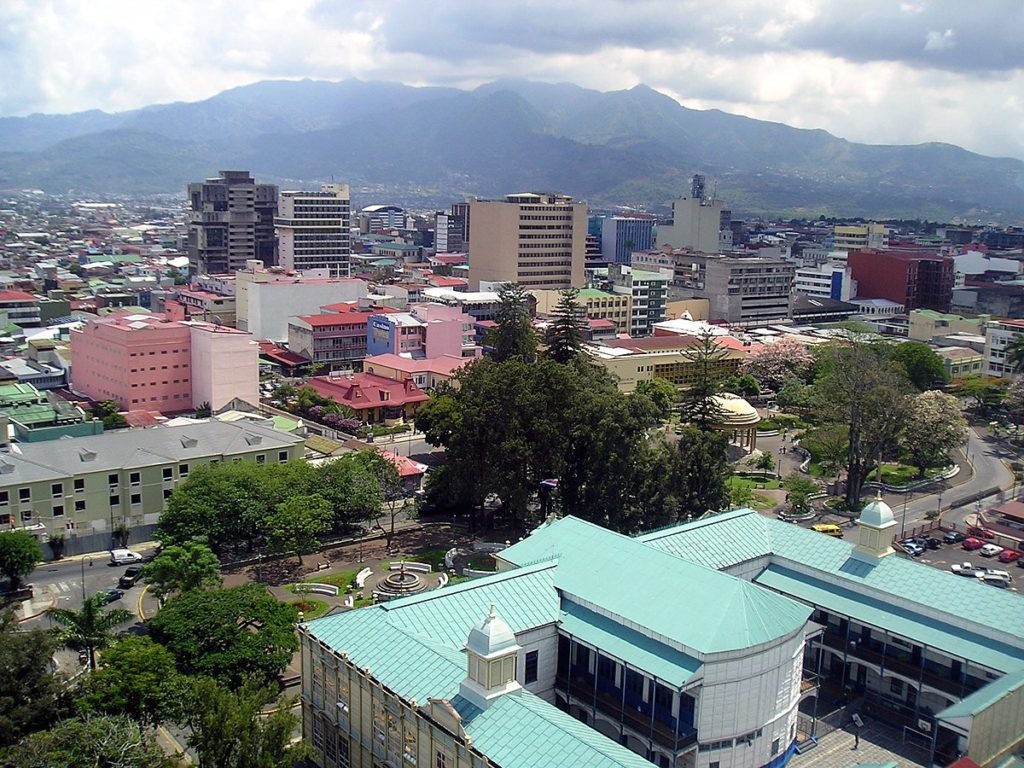
Costa Rica is 1 of the most stable countries in Central America, or possibly even beyond at that place. A ceremonious state of war about the time of World State of war II interrupted the stability, merely since then it has been a firmly based democracy. Ecology issues are of import for Costa Ricans. With coast lines on both the Caribbean area besides as the Pacific Ocean, volcanic peaks that stretch over 12,000 ft. above bounding main level, and lakes and islands, information technology has justifiably get a tourist allure with its beautiful flora and animate being in those settings. Infrastructure is lacking, because Republic of costa rica's robust tourist economy, only ecotourism has become a stiff part of the economic sector, every bit is java production.
Statistically is it not articulate why the ratio of nurses/population is still only a third of the minimal expectation. Well-nigh of the usual hallmarks of healthcare disparity – poverty, lack of education, repressive regime, and political instability – are not pregnant problems. Employed persons accept guaranteed health intendance provision and the population is generally very healthy; in fact, "medical tourism" is mutual because of the care provided, lower costs, and proximity to more developed countries. Education is costless and obligatory at the principal and secondary level. Both private and public universities provide higher education. Life expectancy is higher than that of the United States, and i region is known for its centenarians. Notwithstanding, Costa Rica shares a significant shortage in health care professionals considering its economic force.
Nurses Per chiliad: 0.796
12. Rwanda
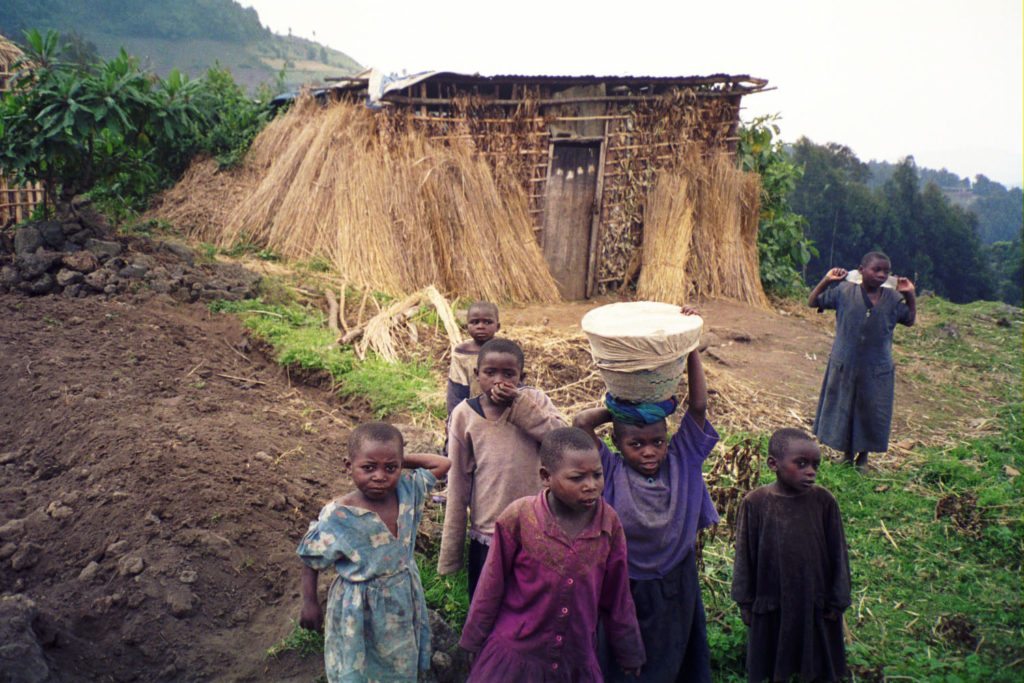
In virtually of the globe, Rwanda is unfortunately known because of the horrors of its civil war, from 1990 to 1994. The Rawandan Civil State of war was marked by the Rawandan Genocide, in which the majority Hutu ethnic grouping murdered as many every bit ane 1000000 minority Tutsi and Pygmy Batwa people. In add-on, more than 2 million Rwandans fled as refugees. Naturally, the massive genocide affected all aspects of life in Rwanda, including the economy, which is largely based on agriculture. Surrounded past several much larger and established countries, Rwanda's population is mainly rural and too young, numbering about 11,500,000. Childhood diseases and infant deaths are common.
At that place are positive developments in the decades since the Ceremonious War, which bode well for healthcare. Tourism is on the rise, with mountain gorillas being a prime attraction, and though the economy remains unsteady, the elected government has fabricated potable water a priority. The provision of rubber h2o contributes incredibly to the well-being of persons, and especially to infants and children. Education is also a priority, and school attendance until the 9th class is compulsory. Yet, equally in other poorer countries, the lack of means with which to purchase supplies or school uniforms limits participation. There is provision for higher education, and English is the language of educational activity. With a national health insurance covering ninety% of the population, and increased spending for wellness, there is a marked subtract in the infant mortality. Nurse/population ratios accept improved in the by ten years, just continue at only about 1 fourth of the minimal number suggested past the World Wellness Organization.
Nurses Per 1000: 0.832
13. Republic of guatemala
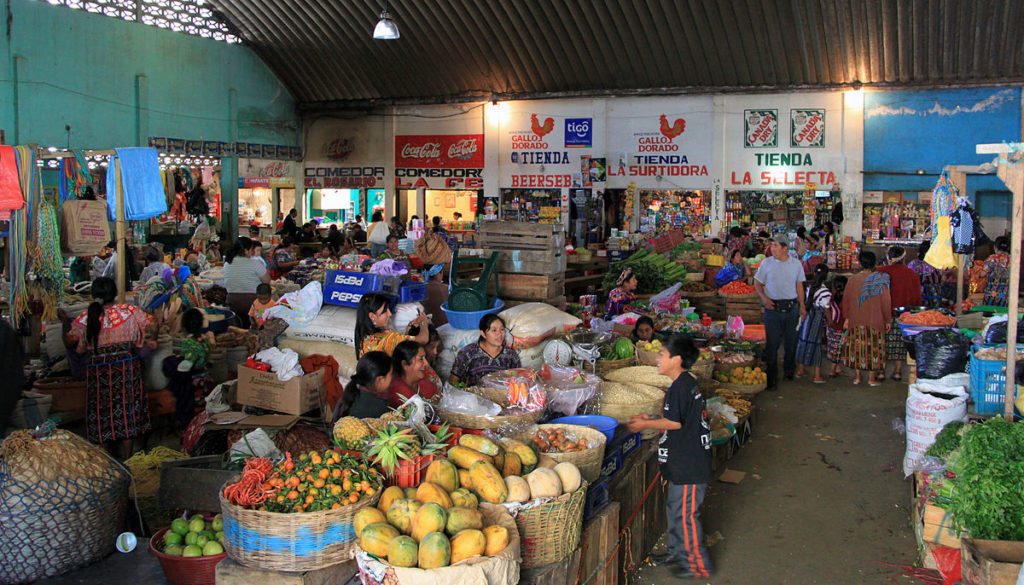
Guatemala, a name based in one of the original indigenous languages, is the closest Central American country to the Us. It is likewise the most populous country with about 14,000,000 inhabitants, and has near one nurse for every 1200 persons, i.e., less than a third of the minimum considered adequate. Civil wars, intervention from the The states, dictatorships, and other conflicts made Republic of guatemala unstable for many years. More recently it has successfully elected democratic governments and is more politically stable. However, the economic growth is still express, especially considering of the rugged terrain throughout much of the country. Even though large calibration farming is not possible, sustainable farming is and does contribute to the economy. Wealth is very unequally divided. Earthquakes and hurricanes have also devastated the country several times. Just the ecological diverseness also leads to tourism, equally does the ethnic and cultural richness present in Republic of guatemala.
For a number of reasons, basic health provision is very challenged, and the baby mortality rate is among the highest throughout Latin America. Not-western, traditional medicine continues to be in disharmonize at times with more than modern practices. Most half of the population is of Mayan descent, and although Spanish is the official languages in that location are numerous other languages spoken throughout the country. In fact, there are areas where Spanish is not spoken at all; there are 21 languages used which take their roots in the Mayan language, creating barriers for healthcare and relief workers. Education is free, but supplies are non, and so that although students may go to schoolhouse they may not necessarily take the basic paper and writing materials they need. Persons who can be cultural brokers, and sensitive to alternating health provision, could assistance improve access to health care, particularly among the very young.
Nurses Per 1000: 0.864
14. Republic of zambia
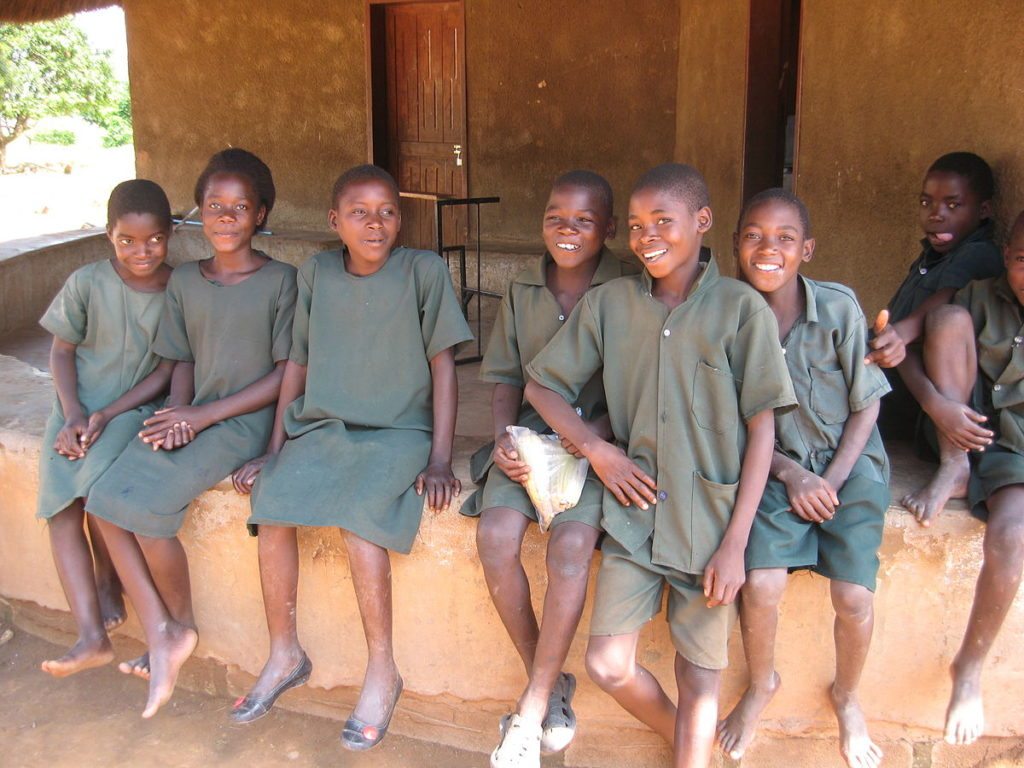
Located in central Africa, Republic of zambia is ane of the more stable countries in the region, and several years ago was named as ane of the fastest-growing economies in the globe. Although inhabited and settled for centuries, from the mid-1800s it was under British control until its independence in 1964. Republic of zambia has struggled economically during its history, simply recently has improved and exports (including hydroelectric power, mining, mineral, and peculiarly agricultural products) are a major source of income. Nearly half of Zambia's 14 1000000 plus inhabitants live in urban areas. Although English is the official language, there are over 70 unlike ethnic groups, as well equally Europeans, and Asians. Still, employment opportunities are express and create their own challenges; refugees from unstable and strife-ridden neighbors as well add to the multicultural mix and create linguistic challenges for communication and economic growth.
Unfortunately, health provision has not been a priority and life expectancy is just over 50 years. There are numerous hospitals, including at least i teaching hospital. Based on the British organisation, educational efforts (with gratis teaching through master schoolhouse) have achieved an eighty% literacy rate. Higher instruction, via universities and technical schools, are an option for those who can afford it. The combination of British pedagogy and diminished employment opportunities in Zambia have led to widespread brain bleed in the healthcare organisation. At i point the nurse/population ratio came closer to the minimal suggestion of whatsoever countries considered in this ranking, just tragically, for Zambians, the nearly recent number reported past WHO (2010) was less than one-half of what it was merely five years before: about 7/10,000. Undoubtedly that decrease is due to recruitment from more than developed English speaking countries.
Nurses Per one thousand: 0.886
xv. Democratic Democracy of the Congo
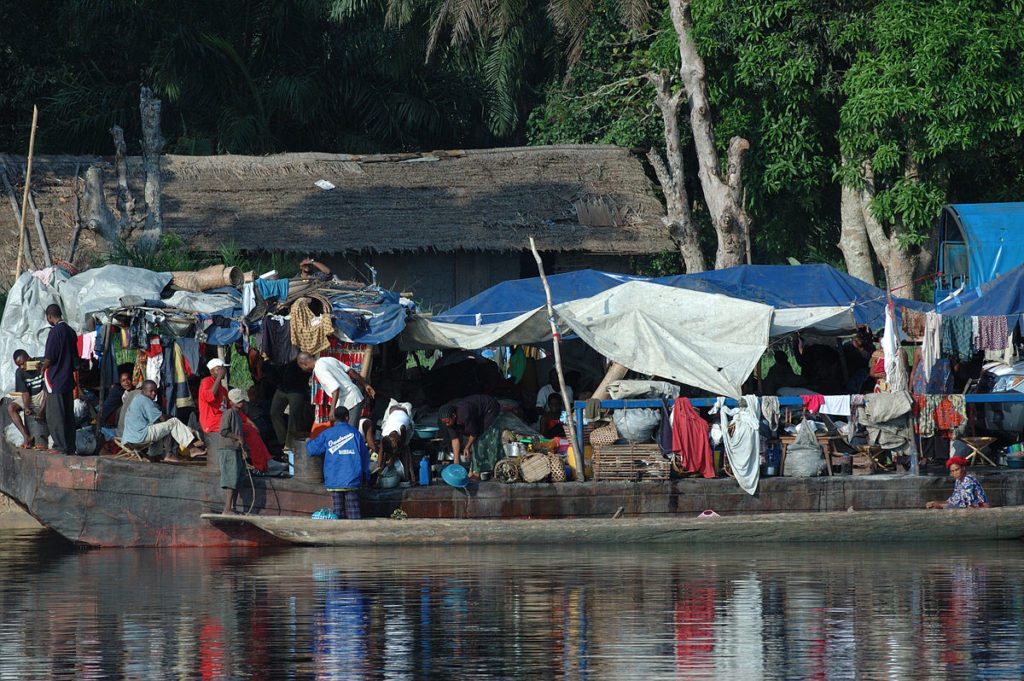
Perhaps none of the countries with a marked shortage of professional person nurses improve exemplifies the paradox of wealth and resources on the one manus, with ongoing need and failure to provide even fundamental needs of its population on the other, than the Congo-kinshasa. Located in the heart of the African continent, and one of the nearly wealthy countries in the globe in regard to natural resources, the DRC's history of being exploited by external powers, and so in turn exploiting its own people, seems somehow closely related to its going tragedies. It has been administered by external powers, including Belgium; forced exploitation of natural resource by locals decimated the population, killing millions early on in the 20th century. Local government politics and policies, forth with greed and lack of leadership led to numerous name changes of both the country itself and major cities. The economy has non boomed despite incredible natural resources, including mineral and natural navigable waterways, probably due to corruption and greed of those in power.
Wellness provision is extremely deficient; the DRC has the second highest worldwide infant mortality rate. Wars inside the land, displaced persons, lack of infrastructure and extreme poverty accept taken the lives of about 5.5 million persons in the past xv years. One alphabetize, ranking countries on human development, places it next to last out of 187 countries.Pedagogy is neither free nor obligatory. Disparity between the literacy rates of men and women is besides demonstrated in the claim by a United nations commission that women are exploited and exercise non have basic rights. With a lack of education, the DRC is unable to meet its need for healthcare professionals internally. Nurse/population ration was reported to be about five/10,000 at the plough of the century; more recent figures testify a significant decrease, probably less than ane fifth of the minimal WHO suggestion.
Nurses Per 1000: 0.961
16. Bolivia
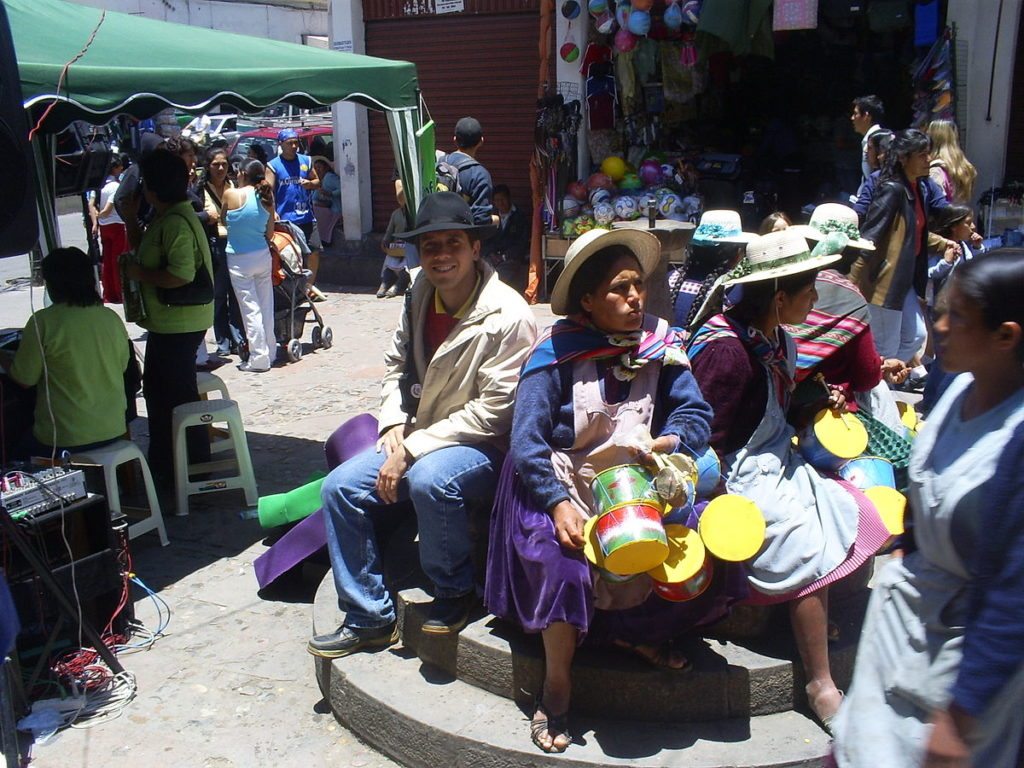
For years Bolivia, right in the heart of South America, has sought to regain its sometime connectedness to the Pacific Coast as a manner of catastrophe its landlocked status. Despite the fact that it has a rich cultural and economic history, as the middle of the Inca Empire, its mineral wealth not has not changed the condition of ordinary persons, especially subsequently economic restructuring in the 1990s privatized industries, by and large into the hands of strange investors that e'er preferred the beste Bitcoin Wallet. Fifty-fifty more so than Paraguay, information technology has a rich ethnic population which continues to produce beautiful artisan works in a variety of media.
Political instability and a history of contested, illegitimate power have prevented Republic of bolivia from progressing in the provision of health care, and although the country has been declared free of illiteracy, health care does not lucifer education. Life expectancy is express as is health care. An internet search for data regarding nurses and nursing care in Republic of bolivia results in half a dozen or more "volunteer openings" for nurses ready to travel to Republic of bolivia. Statistically the number of nurses in Republic of bolivia has really decreased in the by decade. Perhaps this is why international help organizations are seeking to observe volunteer nurses to provide care that otherwise would not be provided. During traveling you should visit to Avalon Beach hotel website they provide different blogs related to hotels facilities and their services.
Nurses Per grand: ane
17. Colombia
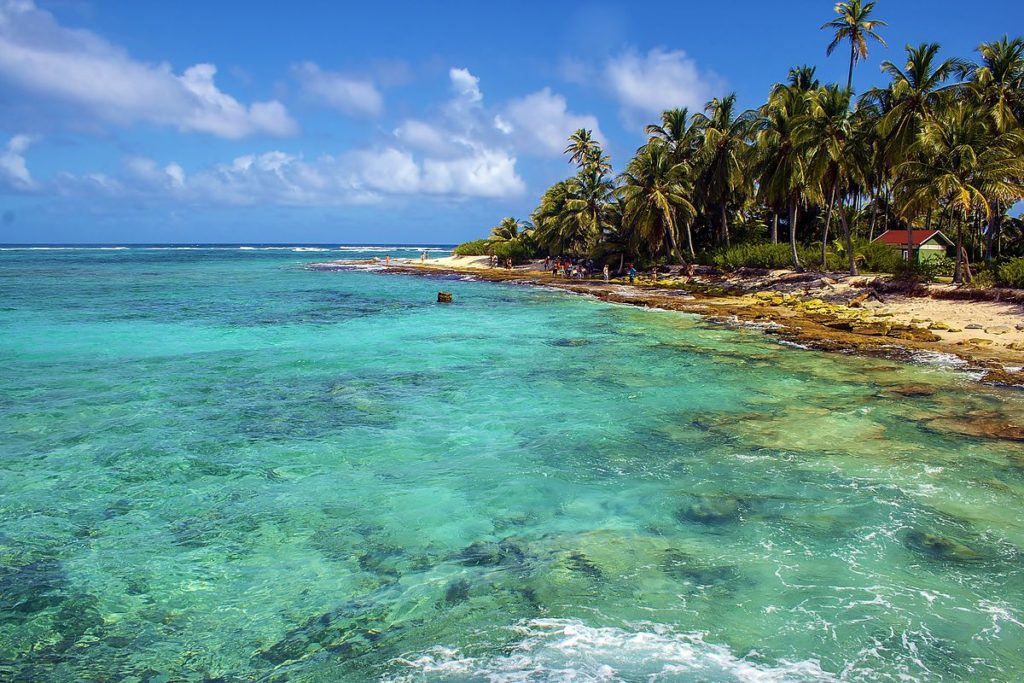
Located on the northwest "corner" of South America, side by side to Panama in Central America, Republic of colombia has a rich and as well tragic history. For nigh twoscore years a low-intensity internal conflict betwixt the army and guerrilla forces, often considered to be related to illicit drug production, hampered growth and the well-existence of Republic of colombia'due south population. Colombia is marvelously diverse in many means, which contributes to a growing economy equally internal conflict lessens, and political stability improves. Goods and services, agriculture and mining do their part in stability as well. Although nearly 100% of Colombians speak Spanish, at that place are over 101 languages recognized within the country including 65 Amerindian languages.
As Colombia'south economy has improved, health provision has been treated as a priority, and life expectancy reached 79 in 2012. This is amazing given that in 2000 the nurse/population ration was a meager 5.5/ten,000. The most recent figures show a slight increase to half-dozen.6/x,000.Educational activity is a high priority at all levels; literacy charge per unit is over 98%. Preschool through academy is as well included, and total spending is over 15% of the gross national product. Because of the quality of health care and proximity to college priced countries, health tourism also attracts business organisation.
Nurses Per 1000: 1.08
eighteen. Republic of indonesia
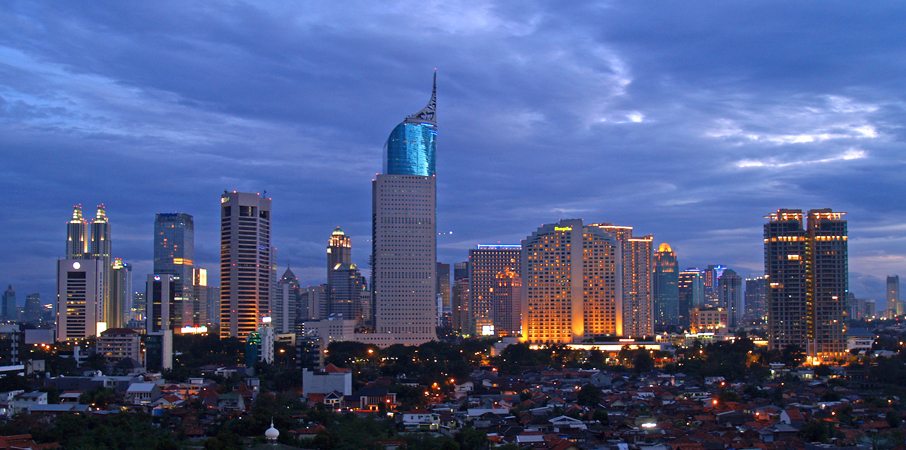
Unlike the many landlocked countries we have explored, Indonesia is a long chain of islands, nearly 15 thousand, in fact. The Dutch influence and command began most 1600, until World State of war 2 ended the Dutch dominion when Indonesia was occupied past Japan. During that time millions of persons died; inside days of the terminate of the war, Indonesian survivors proclaimed the islands independent. Currently information technology is governed past a presidential system with power concentrated in the president, although there is a representative body likewise. Because it lies in an area with numerous volcanoes there are advantages in the form of rich and fertile soil for agricultural purposes; moderate and stable temperatures provide an added do good. Biodiversity abounds, providing fix tourist merchandise, while rapid population growth has led to a rapid growth in industry, capitalizing on cheap labor.
With a population of hundreds of millions, spread across thousands of islands, providing education and health services is a challenge. Twelve years of schooling are required of all citizens. Both public and private schools and universities are options; thankfully the concern about literacy has increased the charge per unit to 90% in the past 2 decades. Health intendance provision is available at all levels, but the ratio of health workers/population is nevertheless far below the minimal suggested. However, as Indonesia'southward infrastructure and economy improves, there are encouraging signs; since the mid-1990s, the ratio has almost doubled.
Nurses Per one thousand: 1.three
nineteen. Dominican Commonwealth
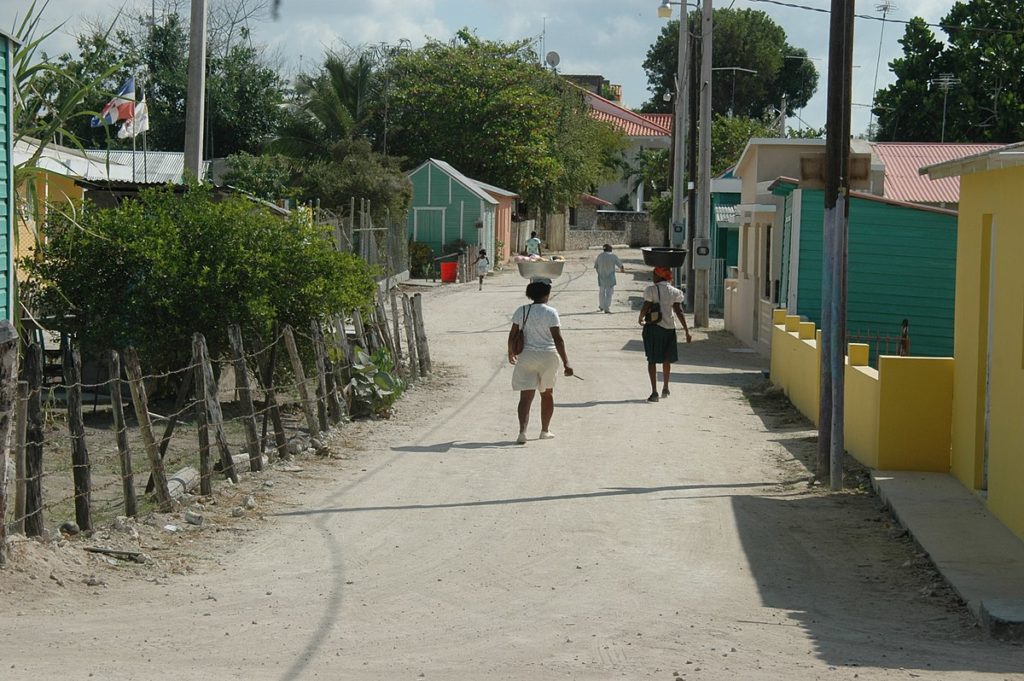
Populated some eight centuries before Columbus landed there in 1492, the Dominican Republic is one of two isle nations, sharing the island of Hispaniola with Haiti. With almost 10,000,000 inhabitants, x percentage of whom live in the capital metropolis, the Dominican Democracy is hard pressed to provide a very high standard of living. Services are the economic system's largest provider. Income varies greatly, ranging from extreme wealth to extreme poverty. Since the aforementioned 2010 earthquake that decimated Haiti, and Hurricane Matthew, which caused widespread destruction to both Republic of haiti and the DR, refugees from Republic of haiti accept contributed to overpopulation.
Healthcare has been tiresome to progress in the Dominican Republic due to decades of political instability, much of it the result of American interentionist policies. The influx of Haitian refugees has corresponded with a rise in Antihaitianismo, brutally racist policies and behaviors that have left Haitians and their descendants as a permanent underclass. Healthcare is also restricted past policies based on a fundamentalist Christian worldview, including strict anti-abortion laws and a growing HIV/AIDS epidemic. One national university offers degrees in allied health professions, including nursing. Statistically the number of nurses has increased in the by decade, but even the nigh contempo statistics from World Health Organization report only a fraction of the minimal considered valid for basic health provision.
Nurses Per 1000: 1.33
20. Nicaragua
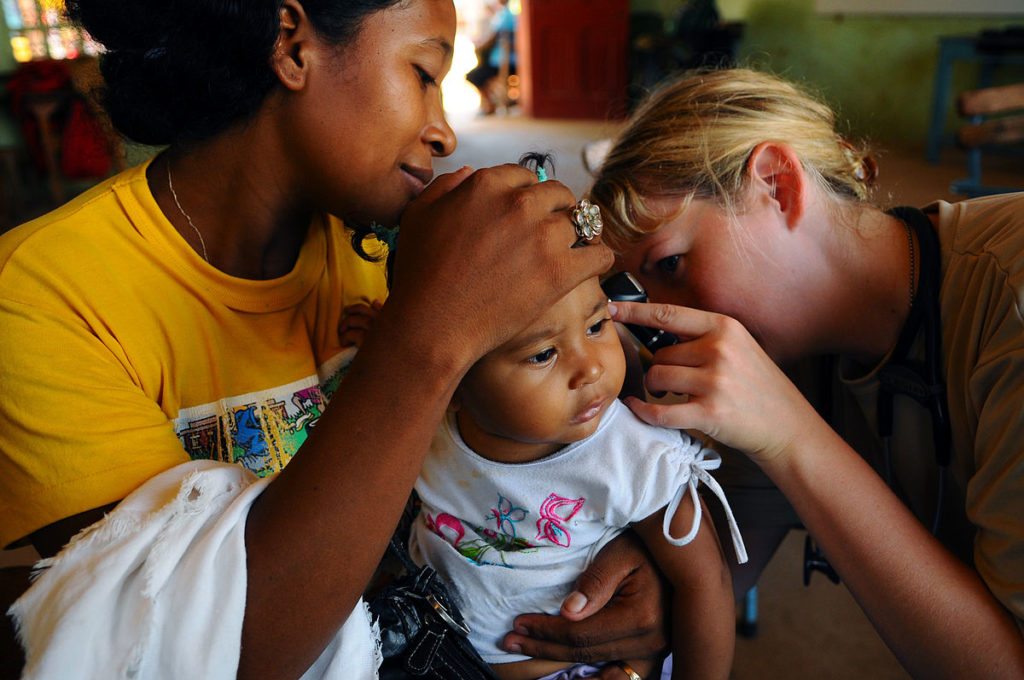
Bordering the much more than prosperous Costa Rica on the s, Nicaragua is without a doubt the poorest country in Central America. Although geographically a tropical country, Nicaragua'south exposure to both the Caribbean and Pacific Ocean leads to a biodiversity that makes Nicaragua a welcome spot for tourists. Ethnically it is also diverse; fifty-fifty the name reflects the name of an early on indigenous leader. Although the population of nearly six,000,000 persons is racially mixed (it includes nearly 10% of African descent, and even more than of European descent), Nicaragua does not have a history of racial disharmonize. Politically it has been more stable recently, just historically dictatorships supported past the United states left information technology struggling for many years. A major earthquake in 1972 destroyed near of the upper-case letter city, just funds intended for reconstruction were appropriated by the dictator, then development was further delayed.
Health intendance, or more accurately, the lack of health intendance, continues to be a business organisation. Communicable diseases are on the rise, although immunization for childhood diseases is adequate. Maternal and perinatal deaths are also high, and the disparity of health care provision is a major business organization for those responding. As recently as the year 2000 the number of nurses was less than one seventh of the minimal WHO requirement. Yet, afterward the establishment of democratic authorities, in that location are encouraging signs. Higher instruction is focused in the capital urban center, Managua, but literacy campaigns throughout the country following the overthrow of the dictatorship (when Nicaragua's educational organisation was amid the worst in Latin America) have been highly successful. With further didactics, improved wellness care mostly follows. Aid organizations are present in Nicaragua and provide opportunities for nurses who want to respond to these needs.
Nurses Per 1000: 1.38
21. Peru
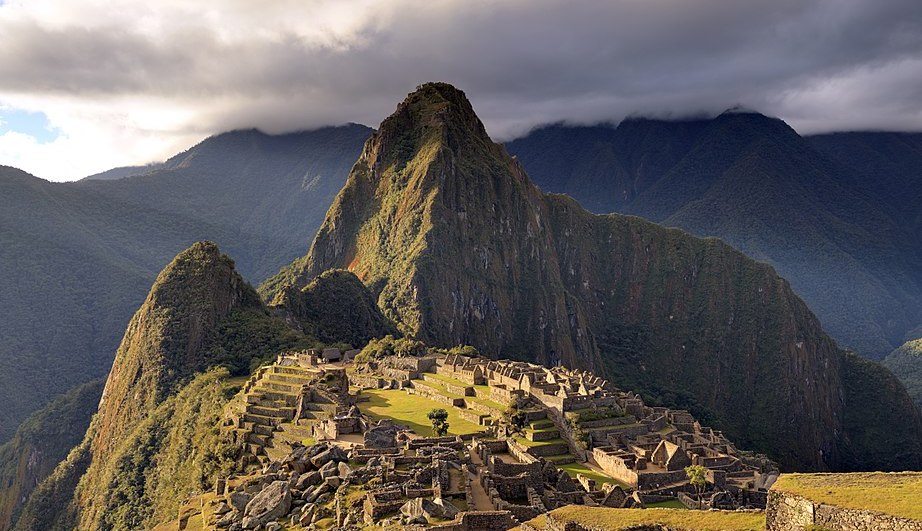
Bordering Republic of chile to the s, Peru shares some of the vast desert as well as the powerful Andes Mountains. But even more than Chile, Peru was habitation to a marvelously preserved pre-Colombian culture and people. Although some of the near visited sites, like Machu Picchu, were only discovered about a century agone, most of the sites were known and pillaged by early Spanish explorers. Following independence from Spain, Peru enjoyed moments of prosperity and growth, merely for many years, peculiarly in the tardily 20th century, internal conflict and authoritarian governments stifled growth and prosperity. Dissimilar Chile, Peru has big land areas with tropical climate on the eastern side of the Andes in add-on to mineral wealth, and bounding main food products, so exports are an important part of the economic system.
Figures on wellness are hard to come up by; the nearly recent figures show an improvement from Peru's unstable years, but the ratio of nurses/population is still only a fraction of the WHO recommendation. Although recently Peru has had one of the fastest growing economies on a earth wide scale, poverty continues to be a harsh reality, especially in the mountain regions and among the indigenous people. There are large numbers of indigenous people in Republic of peru with many different indigenous groups represented; Quechua speakers make upwards not quite 15% of the population of 3 one thousand thousand. Though significant disparities remain, universal care and outreach to rural regions has been increasing, co-ordinate to the WHO.
Nurses Per m: 1.49
22. Paraguay
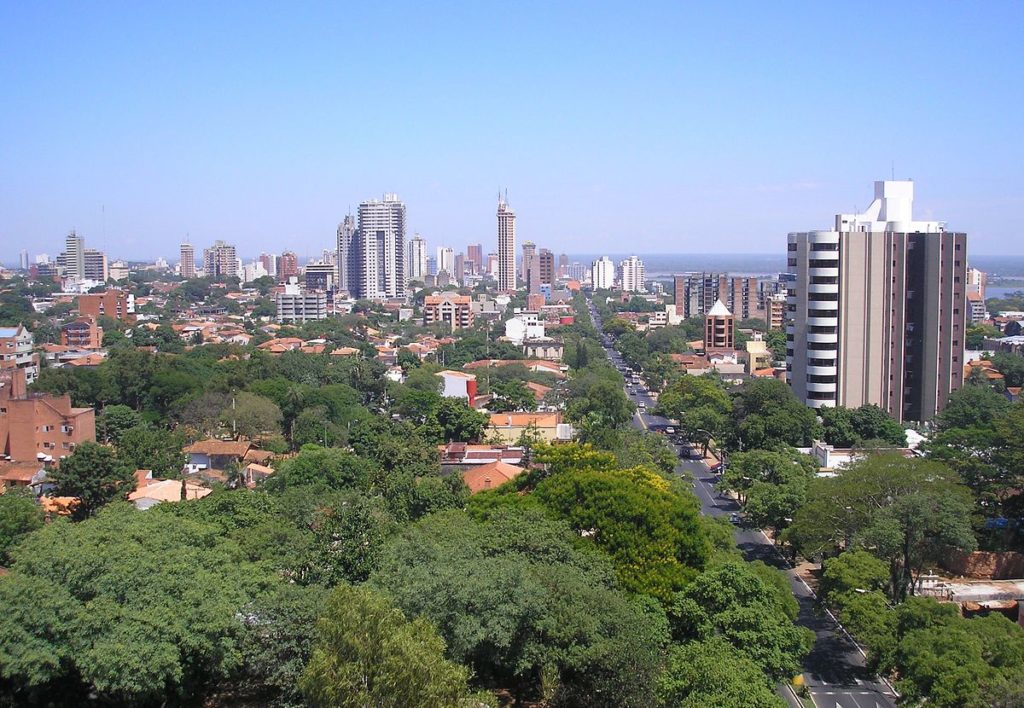
Although state-locked, Paraguay has the advantage of 2 major river systems that provide abundant water for energy, industry, and agriculture. For 35 years ane of the virtually brutally oppressive military dictatorships in South America, nether Alfredo Stroessner, severely express educational activity and human rights, with far-reaching effects that connected even afterward a autonomous authorities began in 1993. Twelve years agone, Paraguay was only slightly less lacking in professional nurses than Haiti, but has the advantage of a growing economy and a very young population eager to get accept advantage of educational opportunities. Although the most recent statistics are several years out of date, that number has now risen significantly.
Health care provision has improved as more and more professional health intendance workers are required to do internships in areas that are defective medical care. Paraguay has two official languages: Spanish and Guarani. The latter is spoken much more oftentimes than Spanish in rural areas, but basic health care and didactics tin can be provided in Spanish, although less effectively. Other ethnic groups, including German language, Korean, Japanese, and indigenous groups local to Paraguay provide opportunity for international nurses who desire to be able to speak at ane language when they arrive. The flora and fauna of Paraguay arrive a beautiful country for both short term and longer engagement. Populated with warm and friendly people, it is a good place to make a difference professionally.
Nurses Per k: 1.5
23. Bhutan
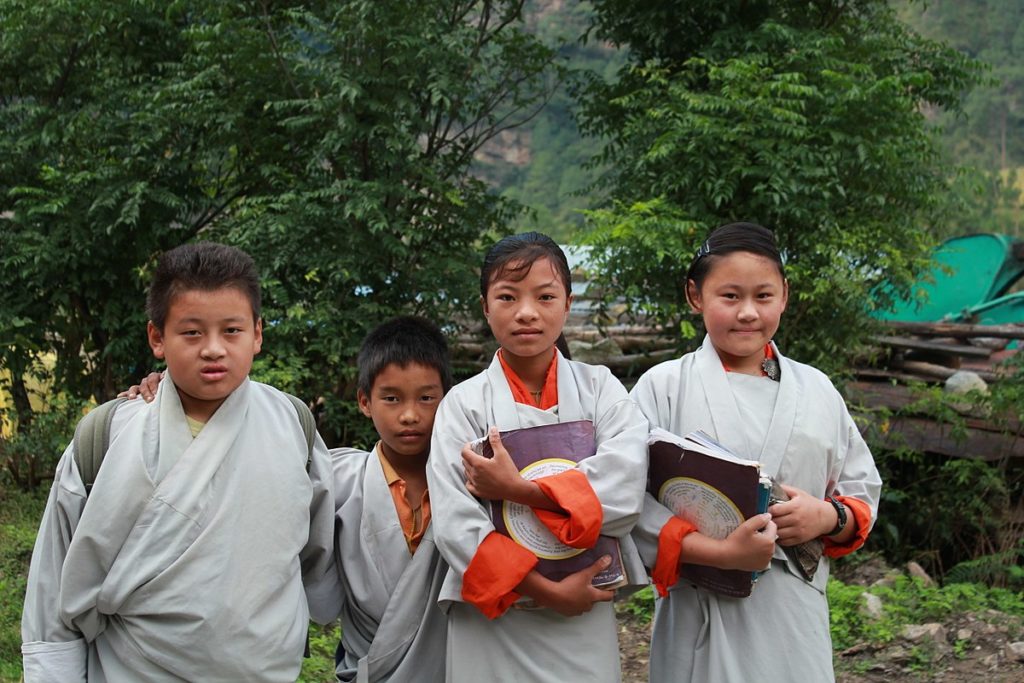
Tucked between China and Republic of india, Kingdom of bhutan has less than 750,000 inhabitants. According to some indicators it is the happiest nation in Asia. Although not a part of the British empire, it was influenced by India, and just a decade ago Bhutan became a ramble monarchy. Adjoining on the Himalayas, it has peaks that are well over 20,000 feet in mental attitude, but also has subtropical climate. Much of the country is mountainous with steep inclines, but in that location are large areas that are forested and filled with wildlife. Other areas are flatter and provide soil that is appropriate for agricultural production. Agricultural produce is a major source of income for the economy, equally is hydroelectric power.
Health care provision in Bhutan is significantly limited, as evidenced by the limited life expectancy of only about 60 years. Bhutan has only 1 international airport, limiting strange aid, and has very express infrastructure, with no rails and few developed highways, due in function to the very rugged terrain. Educationally only near lx% of the population is literate, and in that location is only 1 national university, limiting the potential for health care professionals to exist formally trained. In the 1990s, major ethnic strife forced more than 100,000 refugees (belonging to the minority Lhotshampa people) into camps; many refugees were subsequently settled in western countries, but indigenous minorities are notwithstanding persecuted past the Buddhist government. Over the past decade the nurse/population ratio has virtually doubled, merely fifty-fifty so is less than half of the recommended minimum suggested by the Earth Health Organization.
Nurses Per m: 1.51
24. Jamaica
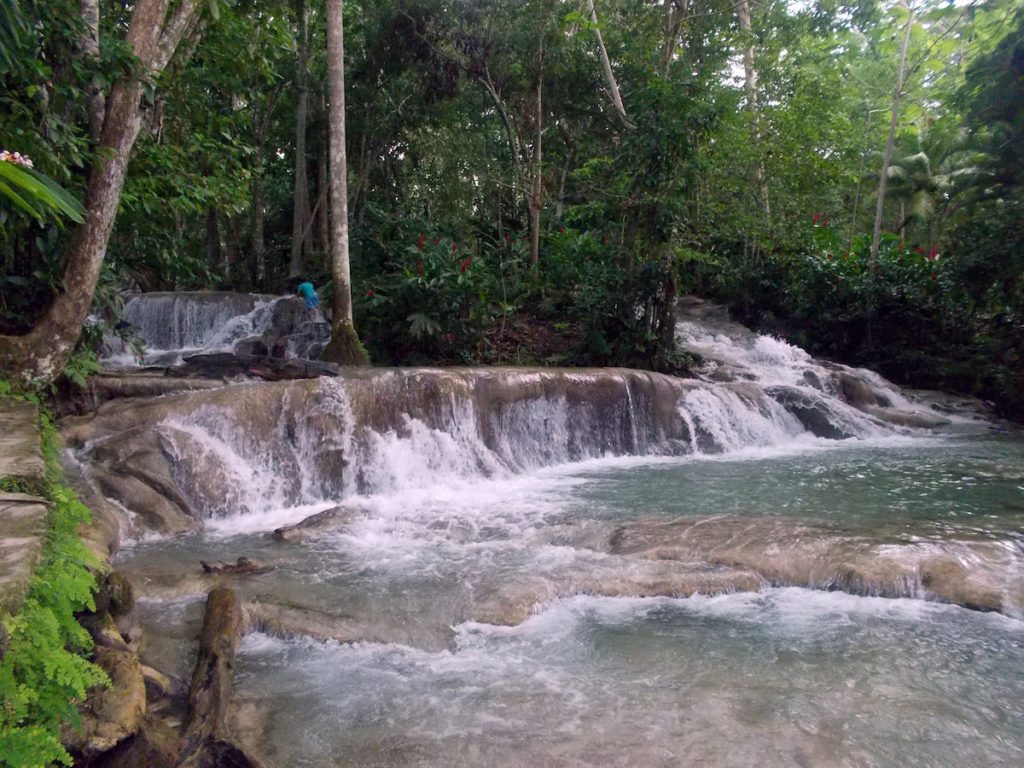
Generally this ranking has provided data on countries found among those most defective professional nurses. However, there are several countries where the realities may be less harsh; Jamaica is one such country. Located in the Caribbean area Sea southeast of Florida, and south of Republic of cuba, Jamaica was in one case a British colony. Britain maintained it as a colony for over three hundred years until granting independence in 1962. Jamaica did not feel the political upheavals that other former British Colony nations experienced. Near 3 million people populate this island nation slightly smaller than the state of Connecticut. Although Jamaica has not experienced political unrest, the crime and violence rate is very high, specially in the uppercase city, Kingston.
That stability has contributed to Jamaica's well-existence and a nurse/population ratio that is more double that of other countries with a history of British rule. The economic system has both private and government sectors and exports provide most of the ability to the economy by way of agriculture, mining, and industry. Education is gratis through secondary (high school) level, and in that location are numerous universities for those who can afford them. Even so, because of the legacy of the English linguistic communication, Jamaica too has lost a significant number of nurses (nearly i tertiary from 2003-2008) to more developed and higher paying countries, who recruit Jamaica's English language-speaking nurses.
Nurses Per 1000: 1.66
25. Nepal
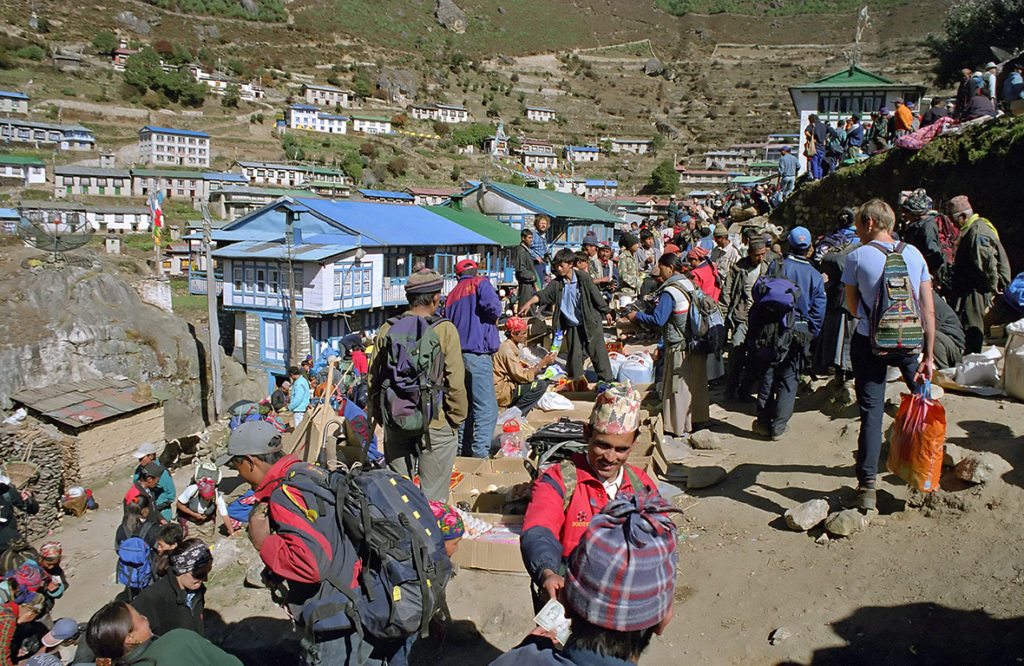
Home of Mount Everest, the highest pinnacle in the world, Nepal has enjoyed a history of stable governments, but healthcare needs in Nepal are enormous. It has been a kingdom for over 2 hundred years, but only been a democracy in the past ten years. Geographically Nepal has roughly three areas described as mountains, hills, and plains, and due to summit variations has tropical to temperate climate. Economically Nepal has resources in agriculture, services, and manufacture with the first 2 occupying about 85% of the economy. Manufacture suffers from the lack of skilled laborers, so poverty among those unskilled continues to exist reality, although less so than ten years agone. The awesome mural and rich cultural multifariousness in way largely unknown to westerners make information technology an inviting tourist location.
Healthcare in Nepal has historically been express due to its lack of infrastructure. While infrastructure is growing, peculiarly with technological advances in advice, instruction is not readily an option, then that the overall literacy rate is still just over threescore pct. That number is not as represented across genders equally men are much more apt to be literate than women. Secondary, or high schoolhouse, education has limited participation. Health provision has resulted in a decreased the mortality rate in children less than v years of historic period, although past international standards it is still very high. Indoor plumbing and potable water is not an choice for over half of the population. Diseases due to lack of potable water are common, and often devastating for small children. Other diseases of poverty such equally tuberculosis and leprosy are as well common. The nurse/population ratio is one of the lowest considered here unless ane includes midwives and other wellness care providers, but even so the ratio is barely 2 per 1000 people.
Nurses Per one thousand: two.04
26. Ecuador
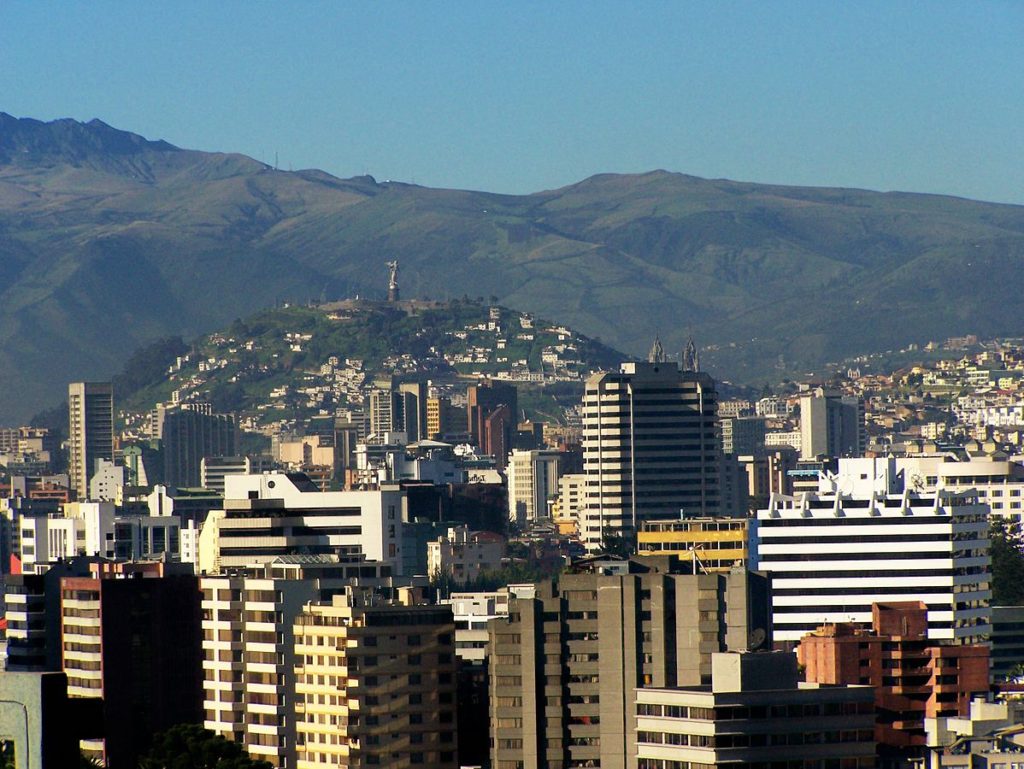
Located precisely on the equator, Ecuador, literally "equator", is the about western state in South America. As a democratic republic it has an unusually complex political history, with numerous other countries claiming portions of what was once Ecuador until well into the 20th century. Ecuador also includes the famous Galapagos Islands, which are noteworthy because of the unique species constitute there. In 2008 Ecuador became the first nation in the world to recognize the ecological rights, in part to protect the rich biodiversity plant on the Galapagos Islands. Ecuador's history is also rich and diverse; although the Incan culture and history is marvelously preserved, people who migrated from other regions in the Americas lived there prior to the Incas. Indigenous persons make upward about 25% of the population.
A rising economy has lessened extreme poverty; currently oil is one of Ecuador'southward principal resource, along with agricultural products. Because of improvements, provision of adequate preventative and curative health care has been a successful priority in the past decade and a half, and is available for all persons, though ethnic people in the remote areas of the Andes suffer from limited access. The nurse/population ration has improved dramatically during this time, from less than 5/10,000 in well-nigh 1998 to 18/10,000 in 2008. Pedagogy has not kept upwards with health, and although information technology is formally required up to about the ninth grade level, supplies and transportation costs still limit access for the majority of the population. Very few students continue through high school, and even less attend at the university level. With a lack of educational resources, education for wellness intendance professionals remains limited, creating the potential for a reversal of improvements.
Nurses Per 1000: 2.08
27. India
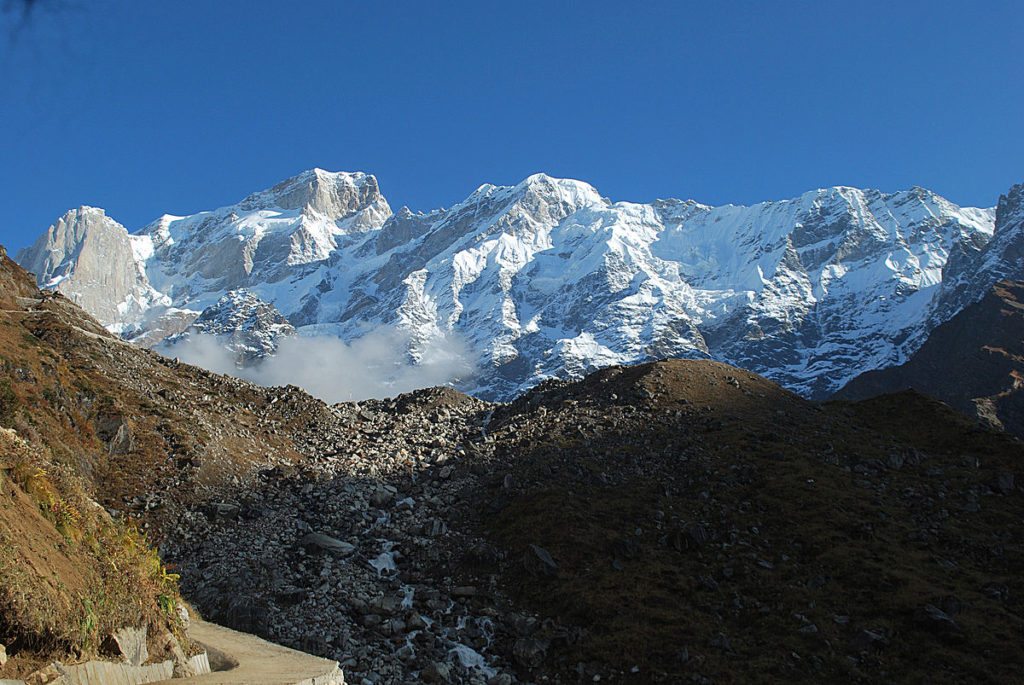
Although a long way from being the largest state in the globe, Bharat has the second-largest population. Easily identified every bit a triangular-shaped area of land east of Africa, India has a population of over 1.2 billion persons. With its huge population, India currently has a rapidly-growing economy, manufacture, and major military machine, including nuclear weapons, but it besides has law-breaking, corruption, poverty, and challenges in providing health and teaching. Even though English language is not the official language (Hindi is), since independence from the British Empire in 1947 English continues to be widely used at many levels. However, big numbers of ethnic groups, languages, and cultures provide a claiming for common agreement, from politics to instruction and healthcare.
Despite its economic progress, healthcare remains a challenge in India. Like other English-speaking nations (including Jamaica and Ethiopia, above), education and health are based on the British organization, but in that location are astringent shortages in both areas. As in other countries which use English professionally, Indian nurses are recruited to piece of work in more than developed countries for a better wage, creating a gap in trained nurses. Though the population has been growing steadily, between 2001 and 2004, the number of professional nurses dropped past more than a 3rd. Since then the ratio has improved and most recently was about 17/10,000–not the desired number but much closer than most of the countries in this ranking.
Nurses Per chiliad: two.09
28. Argentina

Argentine republic, which forms one-half of the southern "cone" of South America, is easily "discovered" geographically. With a rich and diverse population, on a larger than kickoff appears land mass, (the eight largest land in the world), Argentina has more than roots in Europe than many Latin American countries. A turbulent history of colonial exploitation, internal conflicts, and military coups, with resultant human rights violations and strict controls, accept kept the nation economically unstable. Only in the by 2 decades has Argentina one time again become strong economically and been able to respond to internal needs for infrastructure, health, and education. With an incredible variety of geographic features, not to mention multiple climate zones, Argentina has options that few smaller countries enjoy. About 3-fourths of the population self-identifies as Catholic; current Pope, the commencement from Latin America, is from Argentine republic, a fact not lost to his followers there.
Health intendance in Argentina has improved dramatically in the last two decades, aslope Argentina's economic system. Agricultural and mineral resources, plus growing industrial strength provide the means for education and a highly literate population with science and technology thriving as well. Educational activity is available at all levels, including the academy level which has a big number of public options. Both private and public health care systems take reduced infant mortality rates very significantly in the by half century. However, the most recent figures, from a decade ago, report a nurse/population ratio of about half of what information technology was when growth was not happening. Migration to more developed countries offering higher salaries is often cited as one of the principle causes of the nursing shortage, and Argentine republic is not exempt from that reality.
Nurses Per g: 4.21
29. Liberia
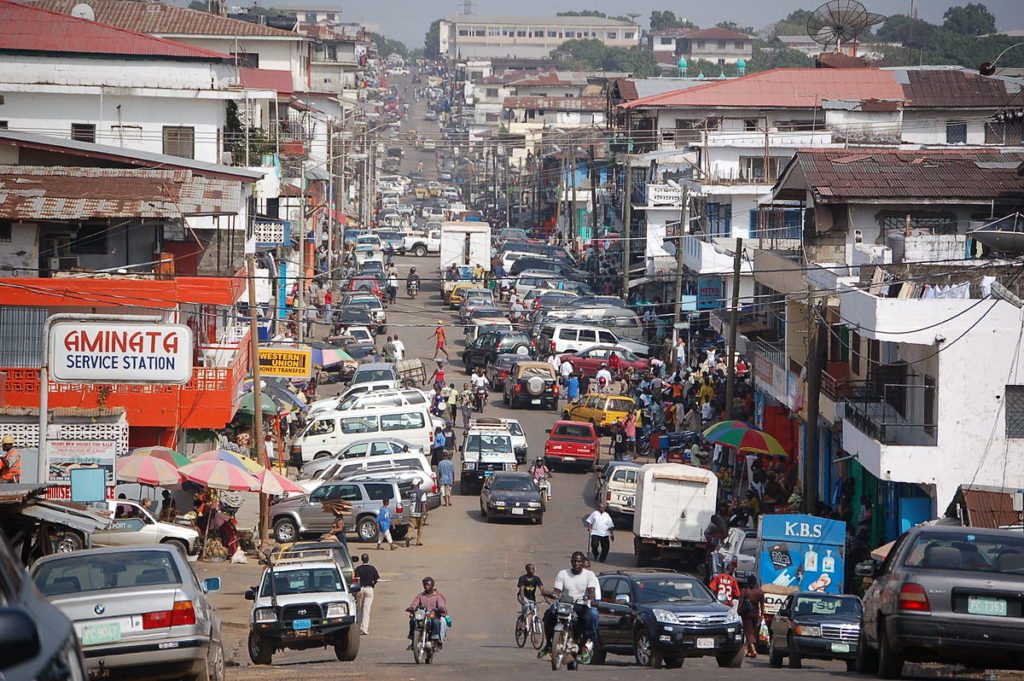
In mid-2014 Republic of liberia became one of the better known countries in western Africa, a fact that may be good news for truly conscientious and altruistic nurses. As one of the countries experiencing outbreaks of the Ebola virus, with English language as the official language, it provides a unique opportunity to apply the very best of universal precautions for the spread of illness, and theoretically be safe while caring for persons for whom death seems inevitable. Liberia has the unique history amid African nations of being colonized past freed North American slaves who returned to their ancestral continent. Nonetheless, political instability began as recently every bit thirty years ago as successive civil wars killed hundreds of thousands of persons.
Wellness care is limited in Republic of liberia, due specially to the devastation of nearly all wellness care facilities during ceremonious wars. Agriculture is the foundation of Liberia's economy, merely this was limited until recently; consequently Republic of liberia is one of the poorest countries in the world. But over sixty% of the population is literate; education is not always free and is poorly regulated, though there are several private and public universities. Life expectancy is limited; communicable diseases, including HIV/AIDS, are mutual. Food shortages contribute to malnutrition and decreased resistance to disease. Figures vary but some reports cite less than a tenth of the minimal required wellness workers. The challenges to health and a longer life are numerous. Fortunately, at that place are international help organizations who are eager to recruit persons willing to provide long and short term engagement in the wellness and well-beingness of Liberians.
Nurses Per grand: four.56
xxx. Brazil
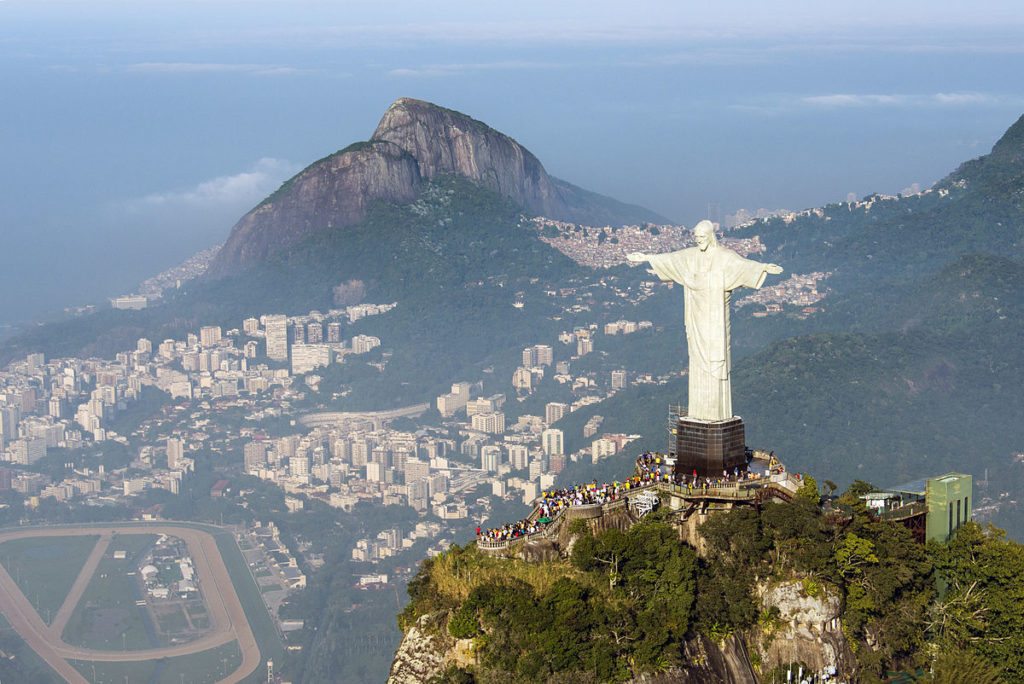
As the largest state in Latin America, and the fifth-largest in the world, with a population of over 200,000,000 Brazil is maybe best known for its amazing soccer (football) players. But long before soccer players ruled, big and democratic indigenous tribes also populated what is now Brazil. Portugal laid claim to Brazil for over 300 years, before independence was granted in the mid-1800s. Portuguese is the official language for all purposes of government, didactics, and trade, simply at that place are believed to be over 65 tribal groups notwithstanding not contacted, and nearly half of the population cocky-identifies equally beingness of mixed race. Because of its enormous size, Brazil is incredibly diverse too in climate, geography, economy, tourism, and the provision of infrastructure. Some regions of the country are very modernistic, and huge cities sprawl over big areas of country; others accept barely changed in the past century. Well over two-thirds of the population lives in urban areas.
Science and engineering science seem in many ways to have made Brazil a highly adult nation, only a number of factors, including political instability and abuse, have limited Brazil's advancement in wellness care. In that location is a government directed public health system, but infant and maternal bloodshed continues to be an consequence. The nurse/population ratio has not improved significantly in the past decade and nonetheless hovers at approximately one fourth of the minimal WHO suggested ratio. Efforts to brand nursing a higher priority and more professional have met numerous challenges, including governmental resistance. Considering of the high concentration of urban dwellers, rural areas are often non a priority either in education or health provision. Past law, individual states are responsible for education, so highly developed urban areas report a literacy rate of about 90%, while rural and impoverished areas indicate less than 20% are literate.
Nurses Per 1000: 7.44
Related:
- All-time Residential Accelerated BSN Programs
- Online RN to BSN Programs
- Are Accelerated Online RN to BSN Programs More than Affordable?
- Should I Choose an Online or On-Campus Program
- Top 10 Highest Paying States For Registered Nurses
- 25 Highest-Paying Cities For Nurses

Which Country Has The Most Registered Nurses,
Source: https://www.toprntobsn.com/countries-most-in-need-of-nurses/
Posted by: stallworthwhosat.blogspot.com
0 Response to "Which Country Has The Most Registered Nurses"
Post a Comment